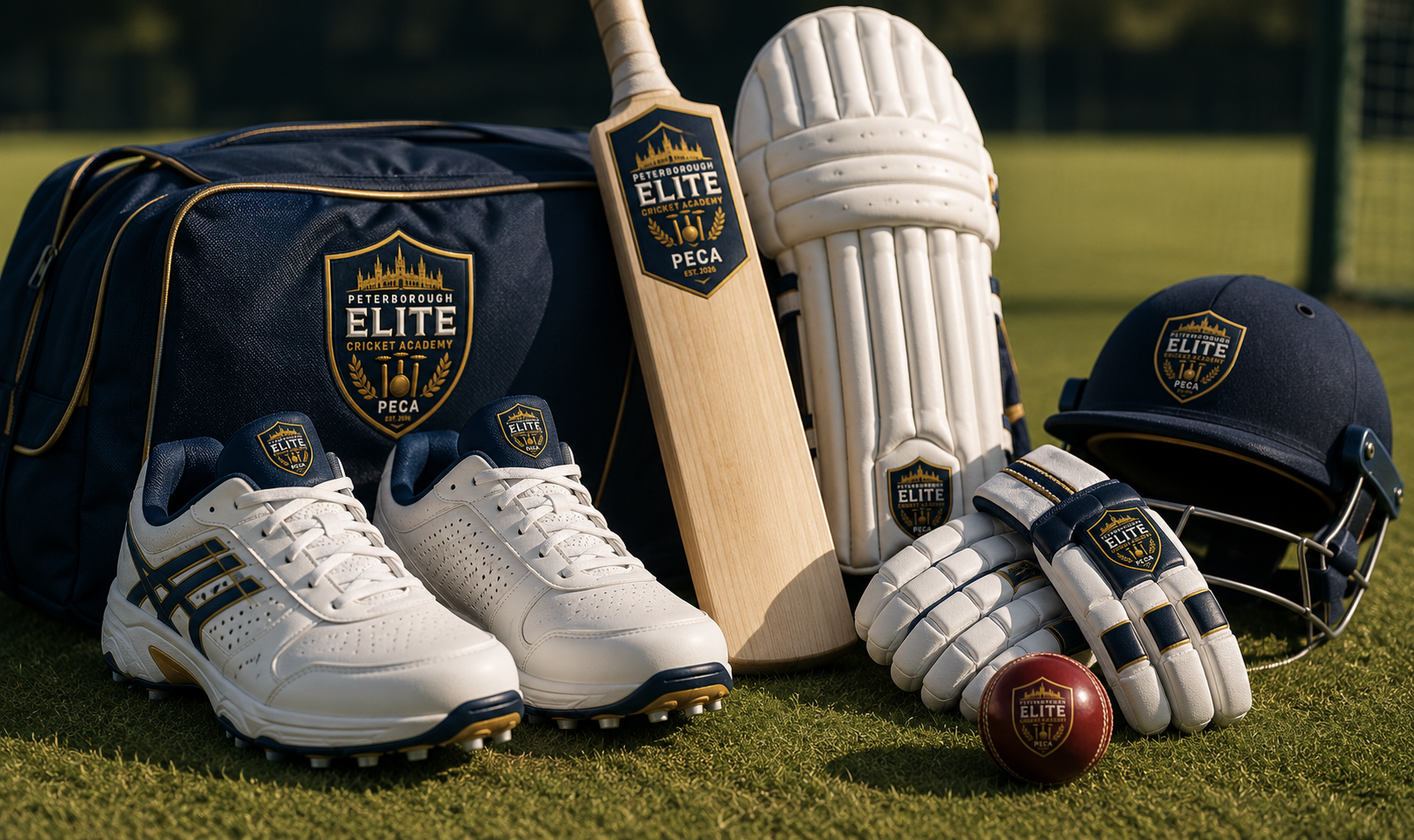
Choosing the right cricket shoes is important for comfort, stability and injury prevention. Young players need footwear that supports quick movement, secure footing and long training sessions while remaining appropriate for the surface they play on. This guide explains what parents should consider when choosing cricket shoes for their child.
Young players need footwear that provides stability during batting, bowling and fielding. A supportive heel, secure lacing and a stable sole can help reduce unnecessary movement and improve confidence.
Choose Durable Materials
Cricket shoes should withstand regular training, changing weather and repeated use. Look for durable uppers, reinforced areas and soles designed for sports activity.
Avoid Buying Shoes That Are Too Large
Buying significantly oversized shoes for a child to “grow into” can affect balance, comfort and movement. A secure and appropriate fit is safer and more effective.
At PECA, we don’t just develop better cricketers; we help young people build confidence, character and a lifelong love for the game.
Consider Cushioning
Training sessions often involve running, jumping and repeated movement. Good cushioning helps absorb impact and supports comfort throughout longer sessions.
Comfort and Proper Fit
No matter how high-tech the shoe, it won’t help if it doesn’t fit properly. Pickleball players often need a slightly wider toe box to allow natural forefoot movement and prevent painful friction or blisters. Shoes should feel snug around the midfoot and heel but offer flexibility at the toes. When trying them on, ensure you have enough room to wiggle your toes and no pressure points around the sides. Comfortable footwear improves balance, stamina, and responsiveness—meaning you can focus more on strategy and less on sore feet, here are key areas to focus on:
Choose footwear suitable for the playing surface
Prioritise secure fit, comfort and ankle support
Look for durable soles and reinforced materials
Ensure the shoes allow safe movement when batting, bowling and fielding
Ask the PECA coaching team for guidance before purchasing specialist footwear
Shoes should fit securely without feeling tight. Allow enough room for natural movement, but avoid excessive space that may cause slipping or instability. Always try cricket shoes with the same type of socks your child will wear during training.
Look for Good Support
Young players need footwear that provides stability during batting, bowling and fielding. A supportive heel, secure lacing and a stable sole can help reduce unnecessary movement and improve confidence.
Choose Durable Materials
Cricket shoes should withstand regular training, changing weather and repeated use. Look for durable uppers, reinforced areas and soles designed for sports activity.
Avoid Buying Shoes That Are Too Large
Buying significantly oversized shoes for a child to “grow into” can affect balance, comfort and movement. A secure and appropriate fit is safer and more effective.
At PECA, we don’t just develop better cricketers; we help young people build confidence, character and a lifelong love for the game.
Consider Cushioning
Training sessions often involve running, jumping and repeated movement. Good cushioning helps absorb impact and supports comfort throughout longer sessions.
Comfort and Proper Fit
No matter how high-tech the shoe, it won’t help if it doesn’t fit properly. Pickleball players often need a slightly wider toe box to allow natural forefoot movement and prevent painful friction or blisters. Shoes should feel snug around the midfoot and heel but offer flexibility at the toes. When trying them on, ensure you have enough room to wiggle your toes and no pressure points around the sides. Comfortable footwear improves balance, stamina, and responsiveness—meaning you can focus more on strategy and less on sore feet, here are key areas to focus on:
Choose footwear suitable for the playing surface
Prioritise secure fit, comfort and ankle support
Look for durable soles and reinforced materials
Ensure the shoes allow safe movement when batting, bowling and fielding
Ask the PECA coaching team for guidance before purchasing specialist footwear
Cricket footwear should match the surface your child trains and competes on. Rubber-soled shoes are generally suitable for indoor facilities and artificial surfaces, while spiked or specialist cricket shoes may be more appropriate for outdoor grass pitches.
Prioritise Comfort and Fit
Shoes should fit securely without feeling tight. Allow enough room for natural movement, but avoid excessive space that may cause slipping or instability. Always try cricket shoes with the same type of socks your child will wear during training.
Look for Good Support
Young players need footwear that provides stability during batting, bowling and fielding. A supportive heel, secure lacing and a stable sole can help reduce unnecessary movement and improve confidence.
Choose Durable Materials
Cricket shoes should withstand regular training, changing weather and repeated use. Look for durable uppers, reinforced areas and soles designed for sports activity.
Avoid Buying Shoes That Are Too Large
Buying significantly oversized shoes for a child to “grow into” can affect balance, comfort and movement. A secure and appropriate fit is safer and more effective.
At PECA, we don’t just develop better cricketers; we help young people build confidence, character and a lifelong love for the game.
Consider Cushioning
Training sessions often involve running, jumping and repeated movement. Good cushioning helps absorb impact and supports comfort throughout longer sessions.
Comfort and Proper Fit
No matter how high-tech the shoe, it won’t help if it doesn’t fit properly. Pickleball players often need a slightly wider toe box to allow natural forefoot movement and prevent painful friction or blisters. Shoes should feel snug around the midfoot and heel but offer flexibility at the toes. When trying them on, ensure you have enough room to wiggle your toes and no pressure points around the sides. Comfortable footwear improves balance, stamina, and responsiveness—meaning you can focus more on strategy and less on sore feet, here are key areas to focus on:
Choose footwear suitable for the playing surface
Prioritise secure fit, comfort and ankle support
Look for durable soles and reinforced materials
Ensure the shoes allow safe movement when batting, bowling and fielding
Ask the PECA coaching team for guidance before purchasing specialist footwear
Understand the Playing Surface
Cricket footwear should match the surface your child trains and competes on. Rubber-soled shoes are generally suitable for indoor facilities and artificial surfaces, while spiked or specialist cricket shoes may be more appropriate for outdoor grass pitches.
Prioritise Comfort and Fit
Shoes should fit securely without feeling tight. Allow enough room for natural movement, but avoid excessive space that may cause slipping or instability. Always try cricket shoes with the same type of socks your child will wear during training.
Look for Good Support
Young players need footwear that provides stability during batting, bowling and fielding. A supportive heel, secure lacing and a stable sole can help reduce unnecessary movement and improve confidence.
Choose Durable Materials
Cricket shoes should withstand regular training, changing weather and repeated use. Look for durable uppers, reinforced areas and soles designed for sports activity.
Avoid Buying Shoes That Are Too Large
Buying significantly oversized shoes for a child to “grow into” can affect balance, comfort and movement. A secure and appropriate fit is safer and more effective.
At PECA, we don’t just develop better cricketers; we help young people build confidence, character and a lifelong love for the game.
Consider Cushioning
Training sessions often involve running, jumping and repeated movement. Good cushioning helps absorb impact and supports comfort throughout longer sessions.
Comfort and Proper Fit
No matter how high-tech the shoe, it won’t help if it doesn’t fit properly. Pickleball players often need a slightly wider toe box to allow natural forefoot movement and prevent painful friction or blisters. Shoes should feel snug around the midfoot and heel but offer flexibility at the toes. When trying them on, ensure you have enough room to wiggle your toes and no pressure points around the sides. Comfortable footwear improves balance, stamina, and responsiveness—meaning you can focus more on strategy and less on sore feet, here are key areas to focus on:
Choose footwear suitable for the playing surface
Prioritise secure fit, comfort and ankle support
Look for durable soles and reinforced materials
Ensure the shoes allow safe movement when batting, bowling and fielding
Ask the PECA coaching team for guidance before purchasing specialist footwear

Great breakdown! I never realized how much proper traction and cushioning can impact my game. Definitely upgrading my pickleball shoes now!
This was super helpful! The section about stability and lateral support really helped me understand what I’ve been missing on the court.
Loved this guide! Choosing the right pickleball shoes makes such a big difference—thanks for explaining it so clearly.